
Gongshi (供石) — The stone behind the page
Chinese scholars kept stones the way others kept paintings: brought indoors, raised on carved wooden stands, studied for years. The most prized came from the bed of Lake Tai, limestone worn by centuries of water into ridges, hollows and holes that no chisel could have planned. Nobody made them. The whole art was in the finding: walking the shore, turning a hundred stones over, and recognizing the one that already held a mountain.
The tradition judged them by four tests, credited to the Song dynasty painter Mi Fu: slenderness, channels, perforation and wrinkling. None measures size or rarity. Each measures how much of the stone is absence.
On a scholar’s desk the stone sat beside the brush, the ink and the paper. Between strokes the eye went to it, the way you look out a window before finding the next word. The stone was never the subject of the writing. It was where the writing began.
I first saw them at the Huntington Library in San Marino, while its Chinese garden, Liu Fang Yuan, was still being built. The Lake Tai stones went in before most of the buildings, so for a while the garden was mostly rock, water and scaffolding. Later, one of its landscape designers gave me a small desk gongshi from China. It was my first.
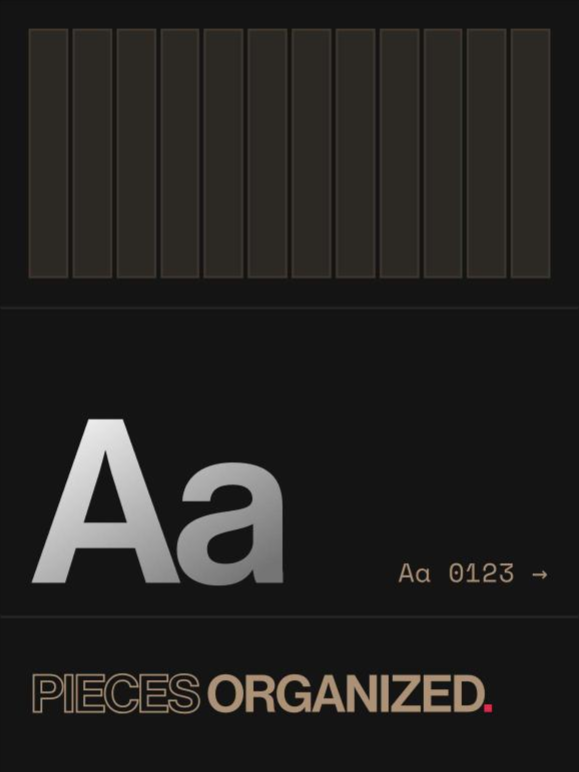
A stone sits behind every page of this site. On some pages it shows through the text; on others it stays underneath, and appears only when a page is pulled past its edge. It is the one thing here I didn't make. The rest is a set of decisions written down as values: a few colors, a grid, a cursor. The stone needed none of that. It came from time and water, and it keeps the system honest.
It wasn’t always hidden. On the first version of this site, the pages had no ground of their own, and the stone showed through everything, the way a stone sits on a scholar’s desk. As the site grew, the pages turned solid and the stone went underneath. It is the same stone; fewer people see it.
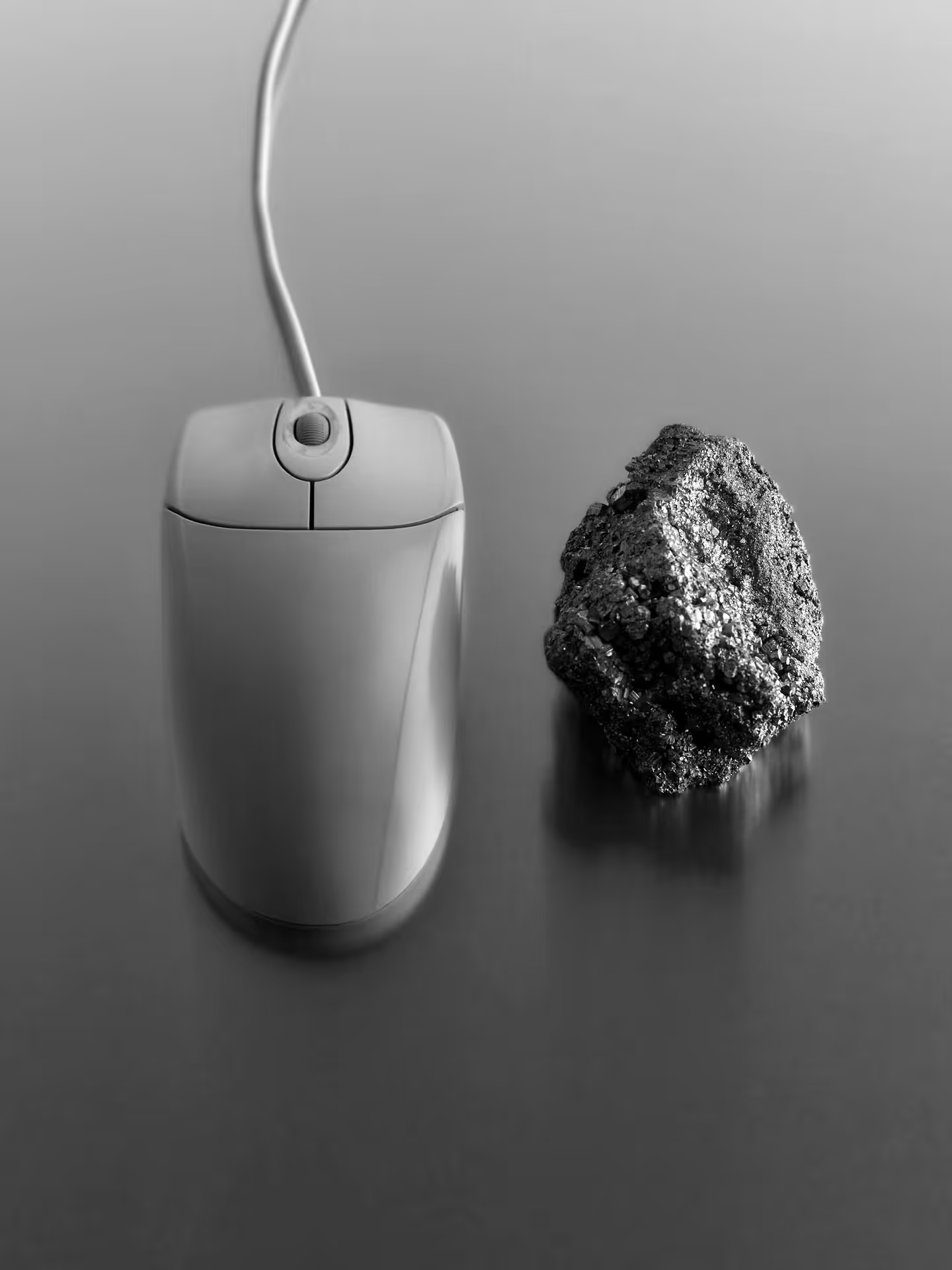
It is starting to show again, faintly, behind the writing and the tools, and once in the menu, next to a mouse. One tool for making things, and one thing no tool made.
TERMS OF USE
AMIT PATEL DESIGN𝔖®, CURIOU𝔖 𝔖PACE®, and MEDU𝔖A™ word marks and design marks, along with other names, logos, graphics, and materials displayed on the Site that function as trademarks (collectively, the "Marks"), are owned by or licensed to AMIT PATEL DESIGN𝔖® INℭ. These Marks are protected by copyright, trademark rights, and other intellectual property rights under United 𝔖tates and international law. Unauthorized use, reproduction, or distribution of these Marks is strictly prohibited.
Content on this site may not be used, reproduced, or otherwise exploited for purposes of training or developing artificial intelligence or machine learning technologies, nor for data mining, scraping, or crawling.