A Portrait — Memory, reason, imagination fused
I have kept journals for decades, and for most of that time I misunderstood what they were. Dates, marks, fragments of scripts I could not read, pages of punctuation that meant nothing to anyone else — I thought of it as storage, somewhere to put a thought so it would stop circling. What accumulated was not a record. It was a structure: the same preoccupations returning in different handwriting, year after year, until the shape of them was unmistakable. A portrait had been assembling itself the whole time. What it lacked was a way to be seen at once.
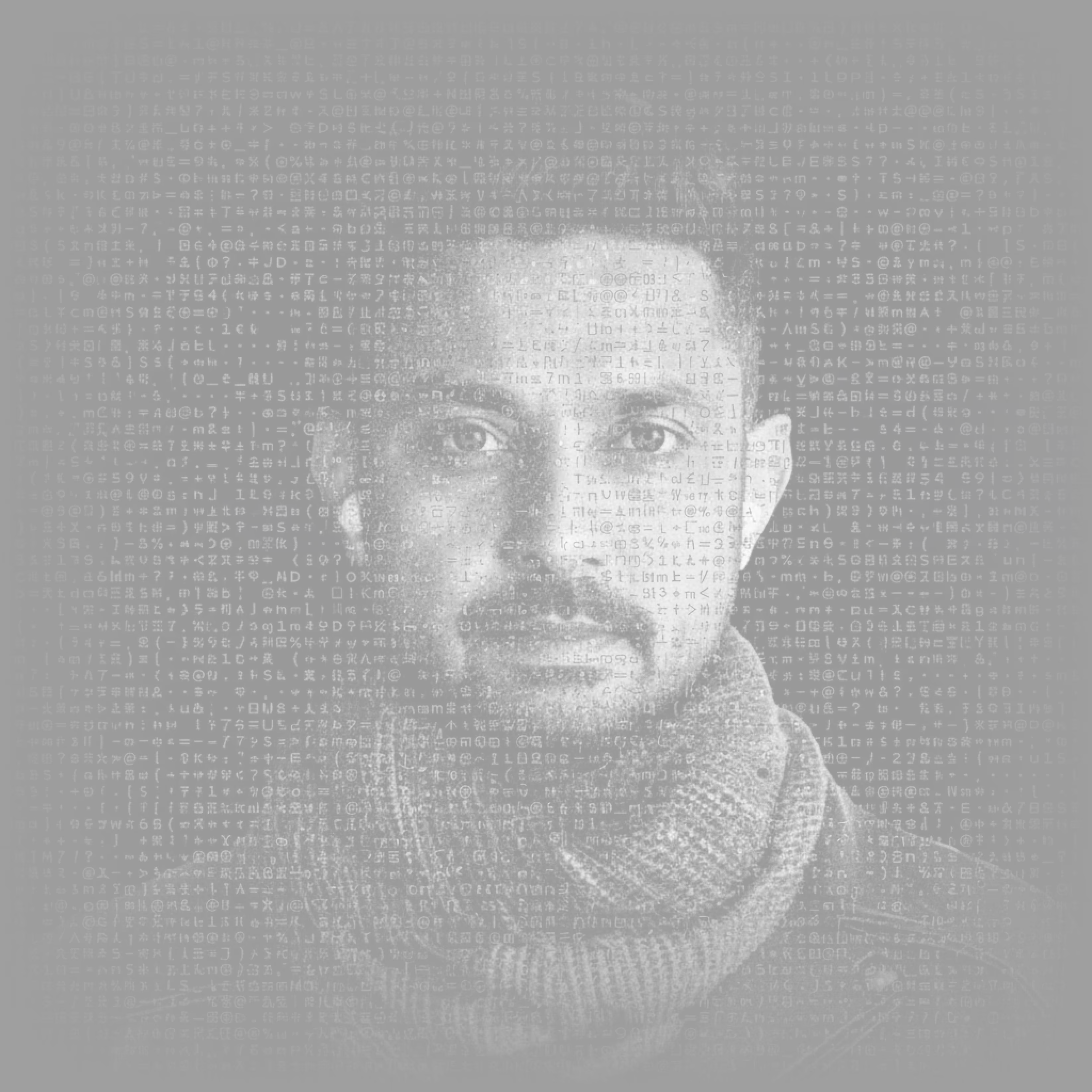
A photograph is true and partial at once. It fixes a fraction of a second and keeps only what the light could reach — the face as it appeared, not what produced it. What a person is made of sits outside that: what they keep, how they order it, what they have not made yet. This piece does not replace the photograph. It puts back the two things a camera cannot reach.
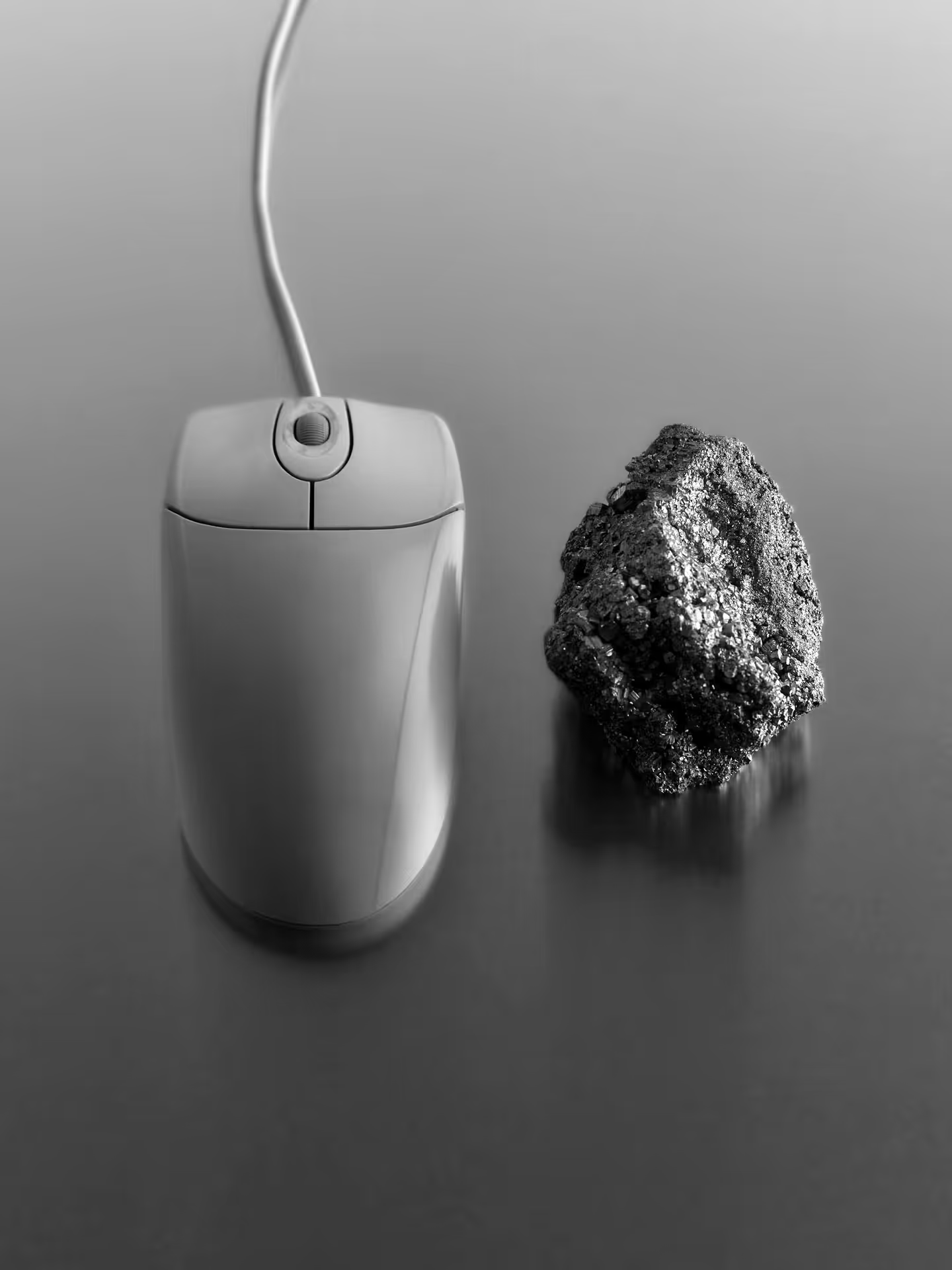
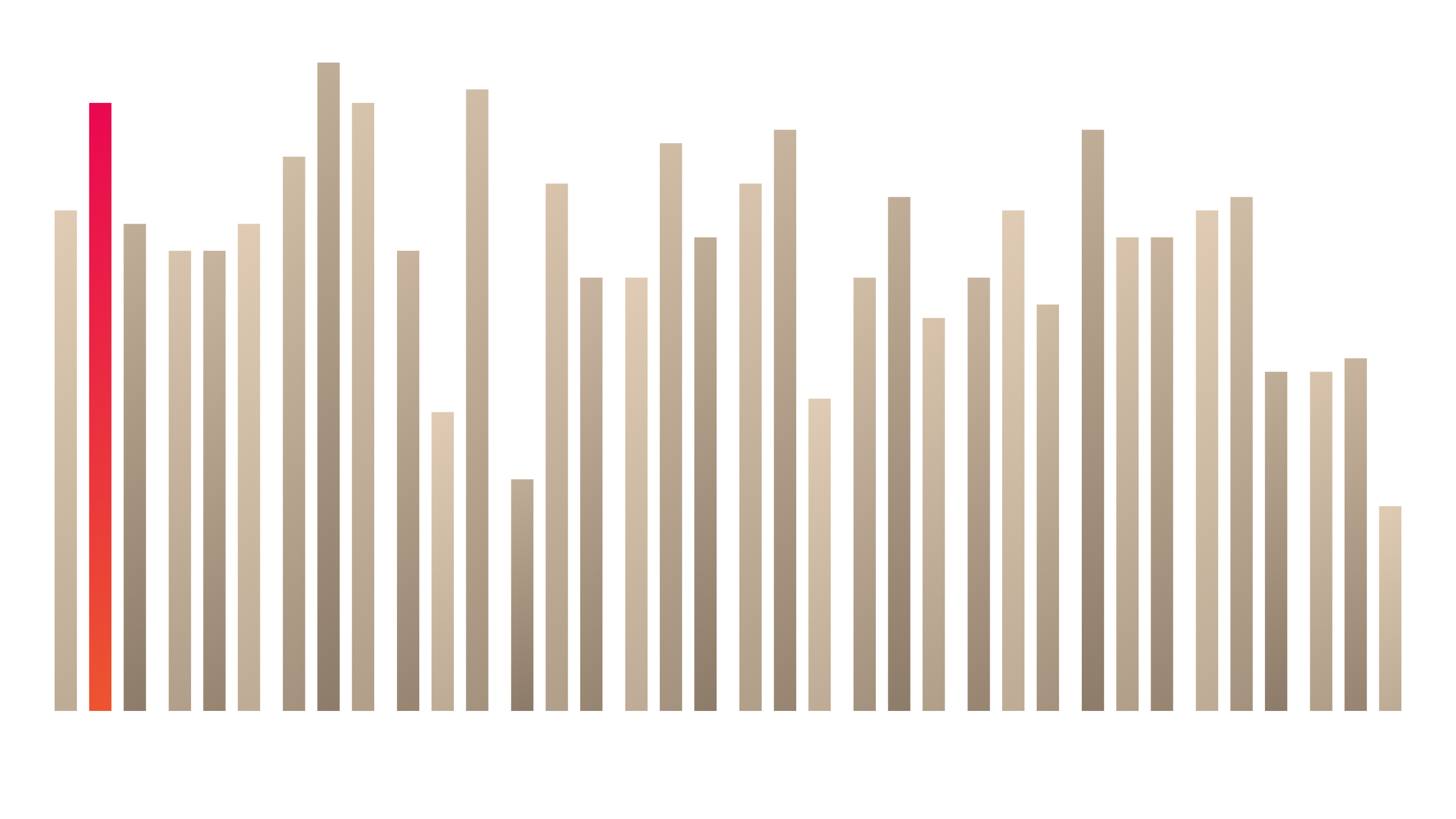
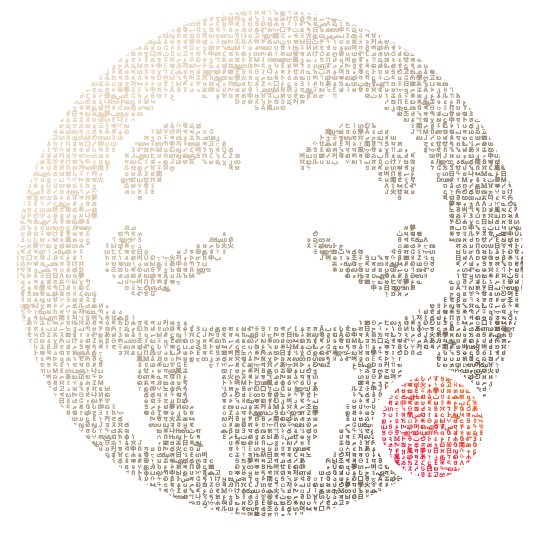
No one is a single exposure. Memory is what I kept: decades of journals, marks and scripts, dense where I insisted and thin where I forgot. Reason is the photograph, the one literal plate, exact where it can be and content to end without an edge. Imagination is what has not happened yet, drawn in 2,324 characters across 69 writing systems, readable in every case and settled on nothing. Mane Tatulyan’s M2 notebooks are what hold the three apart — her system of organization — and her pages are where every sketch behind this piece was drawn.
The idea is older than the piece. Green characters falling down a black screen, in the opening of The Matrix, 1999. That code was never invented either — it is half-width kana, mirrored, held just past reading for everyone, which is the condition the third plate runs on. The effect has a name: digital rain.
The mechanism takes one sentence to describe and took years to earn. The photograph is never displayed; it is read, one luminance value per cell across a 140-by-140 grid, and each value chooses the character that lands there. Light does the drawing, and the data is the material rather than the subject — that is what makes this generative art and not an illustration of a photograph. It is the rain stopped: the same idea, characters as the only material, held still long enough to resolve into a face instead of falling past one. The characters were not sourced for it. I have been keeping writing systems as long as I have been keeping journals, and most of them I cannot read. That is what qualifies them for the third plate: a script you cannot read is not yet a language, it is a possibility.
A portrait as memory, reason and imagination, fused. Each plate is legible alone and means nothing alone; the likeness exists only where the three overlap. Getting there took years — not because the code was difficult, but because you cannot compose a portrait out of your own material until you have accumulated enough of it to recognize the shape. An earlier version of this line read “a portrait is the architecture of self.” I struck it out: it explained where it needed to claim.
Identity without craft stays private; craft without identity is decoration. The journals are why this has something to be about; the practice is why it could be built at all. What I still do not know is how far it carries — whether a portrait made out of what one person kept can hold anyone but the person who kept it. The piece is where I am asking.
TERMS OF USE
AMIT PATEL DESIGN𝔖®, CURIOU𝔖 𝔖PACE®, and MEDU𝔖A™ word marks and design marks, along with other names, logos, graphics, and materials displayed on the Site that function as trademarks (collectively, the "Marks"), are owned by or licensed to AMIT PATEL DESIGN𝔖® INℭ. These Marks are protected by copyright, trademark rights, and other intellectual property rights under United 𝔖tates and international law. Unauthorized use, reproduction, or distribution of these Marks is strictly prohibited.
Content on this site may not be used, reproduced, or otherwise exploited for purposes of training or developing artificial intelligence or machine learning technologies, nor for data mining, scraping, or crawling.